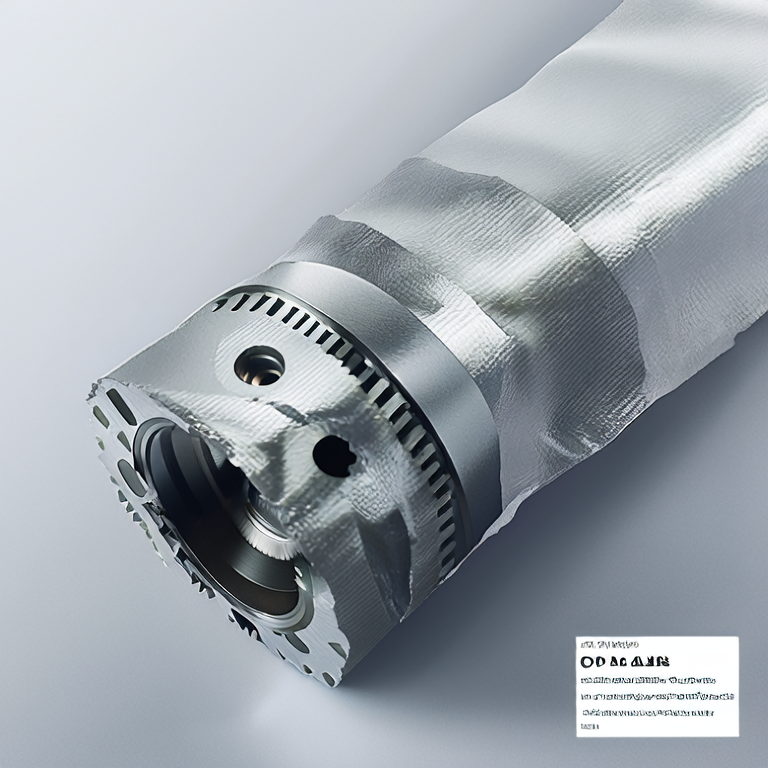
Heavy-duty skin packaging film is a versatile and effective packaging solution primarily used to provide maximum protection and visibility for various products. While frequently associated with food packaging, its benefits extend to non-food items as well. Understanding when to utilize this type of film can significantly enhance product presentation, improve shelf-life, and reduce waste. This article explores the optimal scenarios for employing heavy-duty skin packaging film, outlining actionable steps for implementation.
Understanding Heavy-Duty Skin Packaging Film
- Definition and Purpose
- Explanation of heavy-duty skin packaging film and its core functions.
- Comparison with other packaging solutions.
- Material Composition
- Overview of materials used in heavy-duty skin film, including PVC, PET, and other polymers.
- Benefits of each material concerning durability and flexibility.
Key Scenarios for Using Heavy-Duty Skin Packaging Film
- Protection of Fragile Non-Food Products
- Detailed reasoning on why heavy-duty skin film is IDEAL for non-food items like ceramics or glass.
- Case studies exemplifying successful applications.
- Enhanced Visibility and Aesthetics
- Discuss how skin packaging can improve the visual appeal of products like electronics and tools.
- Statistics on consumer behavior related to product visibility (Source: [Packaged Facts](https://www.packagedfacts.com)).
- Barrier Properties Against Environmental Factors
- Examine the effectiveness of heavy-duty films in protecting products from moisture, dust, and UV exposure.
- Reference to studies that quantify protection levels (Source: [Food and Drug Administration](https://www.fda.gov)).
Steps to Implement Heavy-Duty Skin Packaging Film
- Step 1: Assess Your Product's Packaging Needs
- Identify whether your product is fragile or requires visual enhancement for consumer appeal.
- Conduct a SWOT analysis (Strengths, Weaknesses, Opportunities, Threats) specific to packaging.
- Step 2: Choose the Right Skin Film Material
- Compare types of heavy-duty films based on specific industry needs.
- Consult suppliers for sample materials to test compatibility with your products.
- Step 3: Optimize Packaging Design
- Hone in on design elements that convey brand message while allowing easy view of the product.
- Use CAD software for prototyping packaging design.
- Step 4: Pilot Testing
- Run a small-scale production to test the film’s performance under various conditions.
- Gather feedback from customers and adjust methods accordingly.
Advantages of Heavy-Duty Skin Packaging Over Traditional Methods
- Cost-Effectiveness
- Analyze cost per unit compared to traditional packaging options.
- Reduced Packaging Waste
- Show how skin packaging minimizes material use while maintaining product integrity.
- Faster Production Times
- Discuss automation benefits and how it increases efficiency.
Considerations and Potential Limitations
- Material Limitations
- Identify when not to use heavy-duty skin film—such as in situations requiring extensive cushioning.
- Compatibility Issues
- Discuss potential chemical interactions that might occur on certain surfaces.
Conclusion: Key Takeaways
- Heavy-duty skin packaging film is well-suited for various non-food products.
- Understanding the material, production needs, and consumer preferences is crucial in effectively utilizing skin packaging.
- By following the outlined steps, businesses can implement this versatile packaging solution efficiently.