Blog / News
Jul.30,2026
The packaging choices that retail brands make significantly impact product lifespan and freshness. Vacuum Skin Packaging (VSP) enhances preservation by removing air, keeping products like perishable foods secure and extending their shelf life. In scenarios where traditional Modified Atmosphere Packaging may falter, VSP can offer solutions that alleviate common issues. By achieving a vacuum seal, VSP reduces oxidative spoilage which can lead to decreased quality. This article delves into why retail brands should opt for VSP over Modified Atmosphere Packaging, providing insights on how to implement this advanced technology effectively.
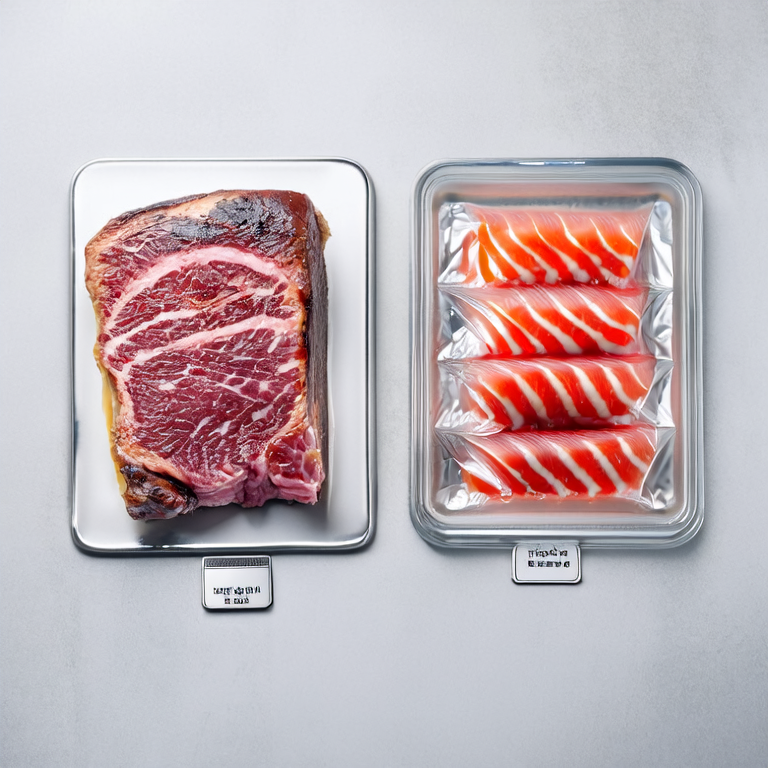
Vacuum Skin Packaging (VSP) is a technology used to package perishable goods by removing air from the package and tightly sealing the product against the material. This method not only enhances appearance but also maximizes the extent of microbial inhibition, leading to a longer shelf life. Key terminology related to this technology includes:
This section outlines an efficient process for retail brands looking to transition to VSP.
Q1: How does VSP compare to Modified Atmosphere Packaging?
A1: VSP typically provides a vacuum level around 99% and uses superior barrier materials, which have been shown to extend shelf life by up to 50% compared to Modified Atmosphere Packaging.
Q2: Is VSP suitable for all types of products?
A2: While highly effective for many perishable goods such as meat, cheese, and ready-to-eat meals, VSP may not be suited for products that require respiration, like certain fruits and vegetables.
Q3: What is the typical cost of implementing VSP?
A3: The initial investment for VSP can range from $10,000 to $100,000 depending on equipment and materials, but return on investment can be realized through reduced spoilage and extended shelf life.
For those looking to deepen their understanding, consider studying the effects of various barrier materials on VSP effectiveness. Research indicates that using materials with a 3-5 µm thickness can improve oxygen retention significantly. Additionally, learning about innovations in printable VSP films may provide insight into marketing potential through eye-catching designs.
Retail brands looking to enhance product longevity should explore IDEAL's range of VSP solutions tailored for their packaged goods. VSP is not just a packaging choice; it’s an investment in product quality and customer satisfaction. For further assistance and to view our specialized offerings, please contact IDEAL today.