Blog / News
Oct.13,2026
Skin packaging is widely used across industries, including food, industrial hardware, and consumer products. By using vacuum pressure to secure items between transparent plastic film and a backing card, it combines product visibility with reliable holding and protection. Understanding how skin packaging works can help you determine whether it is suitable for your products.
Skin packaging, also known as skin pack packaging, is a process in which vacuum pressure draws a heated plastic film tightly over a product and onto a backing material. The film conforms to the product's shape and contours, creating a close-fitting seal that holds the item securely in place.
The transparent film allows customers to see the product without opening the package. Its flexibility enables it to follow irregular shapes and minimize product movement during handling and transportation.
The backing material provides structural support, helps protect the product from handling-related damage, and creates a stable surface for stacking, shipping, and vertical retail display. Together, the film and backing offer a practical packaging solution for products that require secure positioning, clear visibility, and efficient presentation.
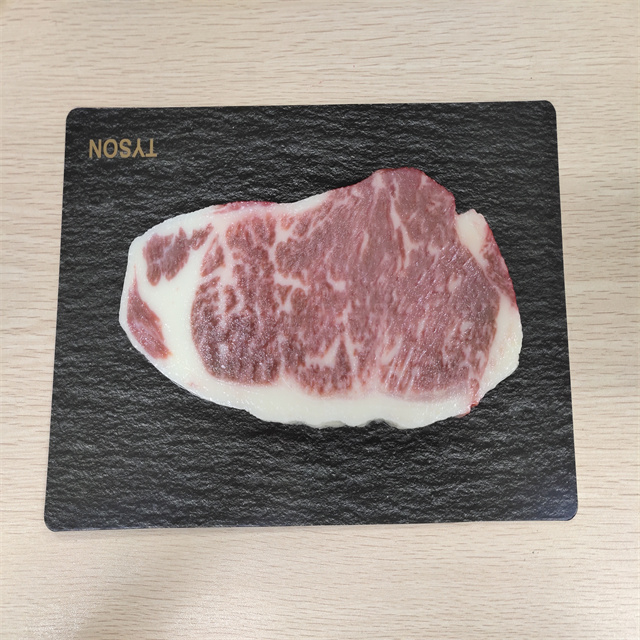
Skin packaging typically consists of two main components: a transparent skin film and a backing board or pre-formed tray. The choice of materials depends on the product's shape, protection requirements, presentation, and sustainability goals.
Skin film is a transparent plastic sheet that softens when heated and conforms closely to the product during the vacuum packaging process. Common materials include PET, LDPE, and PVC, each offering different levels of flexibility, clarity, durability, and protection.
Clear film allows customers to view the packaged product while providing a secure fit. Depending on the application, skin films can also offer barrier properties that help protect products from moisture, oxygen, and other environmental factors.
The backing material supports the product and helps secure the film during packaging. Paperboard is a common option, typically featuring small perforations that allow air to escape during vacuum sealing and a heat-activated adhesive coating that bonds the film to the surface.
In some applications, the film itself provides the bonding function, eliminating the need for an adhesive-coated backing. Alternative backing materials include paper, aluminum, and plastic trays. The most suitable option depends on the product's weight, required protection, packaging performance, and recyclability requirements.
Skin packaging uses heat and vacuum pressure to form a transparent film tightly around a product and bond it to a backing board or tray. The process typically involves the following steps:
Position the Backing: Place the backing board or tray on the vacuum plate, either manually or through an automated feeding system.
Load the Product: Position the food or non-food item on the backing material.
Heat the Film: Warm the plastic film until it becomes soft and flexible enough to conform to the product's shape.
Lower the Film: Bring the heated film down over the product and backing.
Apply Vacuum Pressure: Draw air out from beneath the film, pulling it tightly against the product.
Remove Trapped Air: Allow air to escape through microscopic perforations in the backing board, helping the film conform closely to the product.
Form the Skin: The film follows the product's contours, holding it securely against the backing material.
Activate the Adhesive: Heat activates the adhesive coating on the backing board, where applicable.
Seal the Package: The film bonds to the backing surface, securing the product in place.
Transfer the Package: Move the sealed package from the vacuum plate to a cutting station.
Trim the Edges: Use a die cutter to remove excess film and create required features, such as hanging slots, for display or storage.
Skin packaging offers several advantages for manufacturers, retailers, and end users. By combining a close-fitting film with a secure backing, it helps protect products, improve presentation, and optimize material usage across a wide range of applications.
Skin packaging can help extend the shelf life of perishable foods by reducing the amount of air trapped around the product. When combined with suitable barrier films and appropriate storage conditions, it can limit oxygen exposure, slow oxidation, and help maintain product freshness. The actual shelf-life benefits depend on the food type, packaging materials, and sealing process.
The tightly bonded film makes unauthorized access more noticeable. Opening the package typically damages the film or its seal, allowing customers to identify potential tampering before use. This feature helps protect product integrity, strengthen consumer confidence, and support retail product security.
Transparent skin film allows customers to inspect products without opening the package. This is particularly valuable for fresh meat, seafood, hardware, and retail merchandise, where appearance and visible condition influence purchasing decisions. The close-fitting film also minimizes visual obstruction while keeping the product securely in place.
Skin packaging accommodates a wide variety of products, including fresh foods, electronic components, tools, hardware, and other retail goods. Manufacturers can select suitable films and backing materials according to product dimensions, weight, protection requirements, and display needs. This flexibility makes skin packaging suitable for both food and non-food applications.
Because the film conforms closely to the product, skin packaging can reduce unnecessary packaging volume and material use compared with some bulkier packaging formats. Efficient film selection and precise die cutting can further minimize waste. Depending on the product and packaging design, the compact format may also reduce storage and transportation space requirements.
Skin packaging has some disadvantages compared with other packaging methods. These limitations should be considered when choosing the right packaging solution for your products. The main drawbacks include difficulty opening the package and the need for specialized equipment.
The film bonds tightly to the rigid backing, making the package difficult to open without using tools. This problem is known as wrap rage. Although it does not necessarily affect product quality, it can frustrate users and make the package less convenient to open.
Skin vacuum packaging requires a vacuum machine to remove air and seal the package, increasing packaging costs. The process also involves additional steps, which can reduce production speed and output.
In addition, die cutters may be required to trim the packaging to the desired size or create custom cuts. Although this increases equipment requirements, it allows manufacturers to customize packages for retail displays and other specific needs.
Skin packaging is widely used across the food, consumer goods, and hardware industries. Its close-fitting film helps secure products to a backing while providing visibility and protection. This makes it suitable for a variety of products that need secure packaging and clear presentation.
The food industry is a major user of skin packaging. The film helps maintain freshness and protect products from external contamination. It also allows customers to see the food clearly before purchasing. Common applications include:
♦ Meat, fish, and poultry
♦ Seafood
♦ Fresh produce
♦ Bakery products
♦ Cheese
♦ Candy and snacks
Skin packaging is also suitable for various consumer goods, particularly lightweight and delicate products that require protection and visibility. The transparent film allows customers to inspect the items before making a purchase. Typical products include:
♦ Health and beauty products
♦ Lightweight children's toys
♦ Electronic products and accessories
♦ Stationery items
Skin packaging is used for lightweight industrial goods and hardware products. It helps secure items to the backing, reduces unnecessary packaging material, and provides a clear view of the contents for retail display. Common applications include:
♦ Small tools
♦ Automotive parts
♦ Construction components
♦ Lightweight gardening tools and supplies
♦ Other industrial products
Skin packaging uses a thin film and vacuum pressure to secure products to a backing board or tray. Its key benefits include improved product visibility, secure packaging, and the potential to extend food shelf life. Depending on production volume and packaging requirements, businesses can choose manual, semi-automatic, or automatic skin packaging machines.