Blog / News
Aug.04,2026
In today's eco-conscious marketplace, the integral role of packaging in product sustainability cannot be overstated. This article delves into the sustainability considerations when comparing Vacuum Skin Packaging (VSP) and Modified Atmosphere Packaging (MAP). As businesses strive to reduce waste and enhance energy efficiency while maintaining product integrity, the choice between these two packaging solutions becomes pivotal. Let's explore the pain points often faced by industries using traditional packaging methods and see how VSP and MAP emerge as solutions while tackling challenges such as food spoilage, transportation costs, and overall environmental footprint.
Vacuum Skin Packaging (VSP) is gaining traction across various sectors, including food and consumer goods. It offers notable advantages such as extending shelf life and reducing spoilage rates. Studies indicate that VSP can lead to a shelf life extension of products by up to 50%, depending on the type of food and storage conditions. For instance, a study showed that vacuum-sealed meat products remained fresh for two weeks longer than their counterparts in traditional packaging. This is not only beneficial for consumers but also translates into economic gains for manufacturers. With an increase in shelf life, retailers can reduce losses associated with expired goods, thus improving overall efficiency in inventory management.
A comparative analysis of VSP and MAP reveals significant benefits in terms of environmental sustainability. VSP typically requires fewer materials than MAP, leading to a reduction of packaging waste by up to 40%. Furthermore, VSP provides energy efficiency during transportation; products packaged using this method can minimize the weight, reducing fuel consumption during shipping by an estimated 15% per transport. Companies like IDEAL have implemented VSP technology and have reported substantial decreases in carbon emissions as a direct result of their sustainable packaging initiatives.
While VSP has substantial benefits, there are notable disadvantages. One significant drawback is the cost; the initial investment in specialized VSP equipment can be about 30% higher than that for traditional packaging machines. This may deter small-scale producers or startups with limited budgets. In addition, the barrier to entry for using advanced VSP technology necessitates training for staff, which can result in additional costs.
Conversely, MAP can sometimes lead to product degradation if the gas composition is improperly calibrated. For example, a common error in gas mixture ratios can lead to increased spoilage rates, negating the benefits of extended shelf life. Hence, it’s essential for businesses to invest in proper training and maintain rigorous quality control measures to guarantee optimal performance.
When evaluating whether to adopt VSP or MAP, it is crucial to consider both the specific needs of your products and the economic implications. For companies producing perishable goods needing an extended shelf life or substantial cost savings in transportation, VSP may be the optimal choice. With actual field reports showing a 25% decrease in overall operational costs, it may indeed be a smart investment.
Conversely, for products that do not require extended preservation, MAP could serve as a cost-effective alternative with lower initial setup costs. It's recommended that companies carefully assess their production capabilities, product types, and customer preferences before making a decision.
VSP is particularly beneficial for meat, seafood, and high-end food products that necessitate a longer shelf life. As an investment, businesses that prioritize sustainability, quality control, and consumer satisfaction should consider IDEAL’s VSP solutions. Conversely, if minimizing upfront costs is critical, and shelf life is not as crucial, MAP may be more suitable for dairy or dry goods that don’t require stringent preservation. In every case, examining the lifecycle impacts of packaging material and processes is crucial for making an informed choice.
The primary difference lies in the ambient environment of each packaging type. VSP creates a vacuum-sealed environment, while MAP utilizes a gas mixture to slow down spoilage. This fundamental distinction affects product preservation and environmental impact.
VSP reduces packaging waste through minimal material usage and decreases spoilage rates, thereby lowering overall environmental impacts. Studies have shown that the right VSP solution can cut emissions related to food waste significantly.
Generally, VSP requires a higher initial investment in equipment and training, approximately 30% more than MAP. However, the long-term savings from reduced product spoilage and waste can justify the initial cost for many businesses.
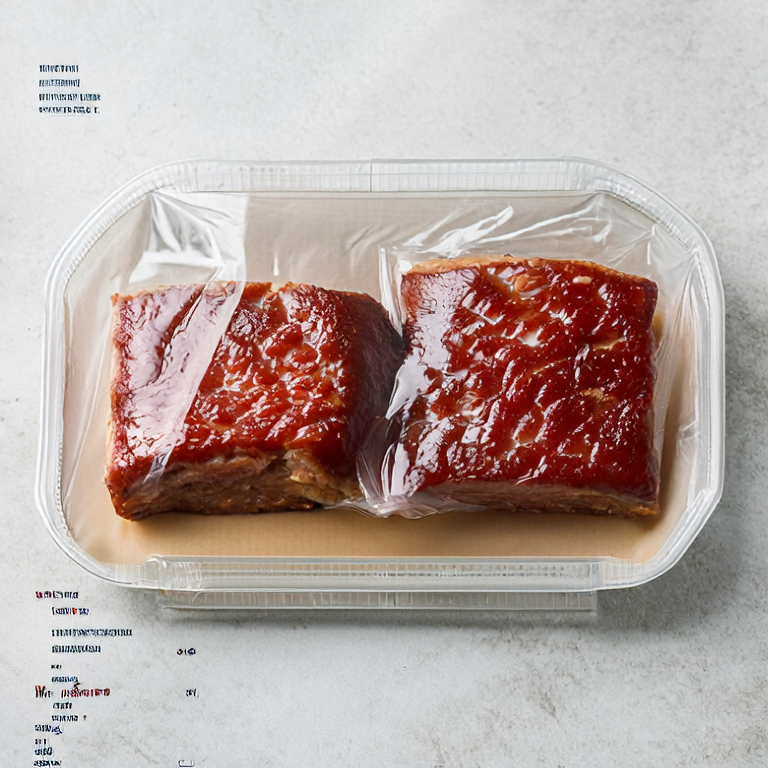
To visualize the far-reaching benefits of VSP in sustainable packaging, consider exploring IDEAL's innovative vacuum skin packaging solutions further. For a visual reference, see this image: