Blog / News
Aug.18,2026
In the fast-paced world of food preservation, ensuring the shelf life of products is paramount, especially for manufacturers utilizing Vacuum Skin Packaging (VSP). Many food producers encounter challenges such as spoilage and loss of freshness, leading to monetary losses and dissatisfied customers. Implementing effective testing methods for new vacuum skin packaging materials can undeniably enhance product quality, extend shelf life by up to 30%, and improve customer satisfaction. This article provides essential tips and insights tailored for food manufacturer scenarios, leveraging advanced packaging solutions like IDEAL to elevate your business performance.
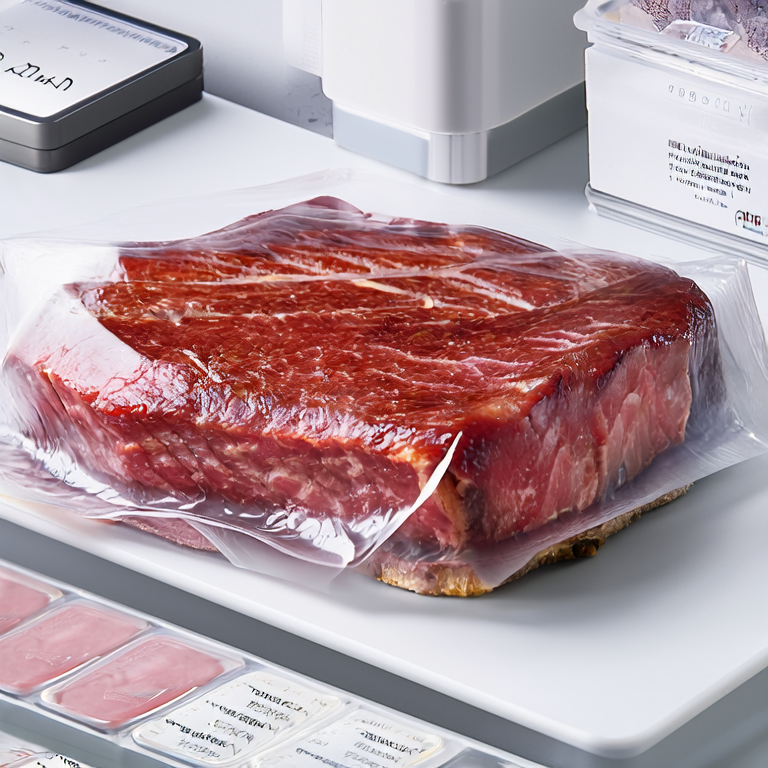
Vacuum Skin Packaging involves sealing food products under a vacuum between a plastic skin and a tray, which significantly reduces the oxygen level, thus extending shelf life and maintaining freshness. Proper understanding of this packaging technology is critical as it ensures optimal conditions for preserving various food products, allowing them to last longer without refrigeration.
Why: Initial assessments help identify the baseline shelf life of products packaged in new materials.
Operation Method: Conduct a series of tests by packaging samples of your product in the new Vacuum Skin Packaging and storing them under controlled environments. Analyze factors such as microbial growth, color changes, and odor over time.
Suitability: This technique is IDEAL for manufacturers introducing entirely new products or packaging materials. It allows for early identification of product viability, influencing production and marketing strategies.
Why: Storage conditions play a crucial role in the shelf life of food products.
Operation Method: Test your Vacuum Skin Packaging across different storage temperatures and humidity levels to determine the optimal conditions that prolong the freshness of the packaged products.
Suitability: This approach is best for long-term studies and can provide insights into seasonal variations in product shelf life.
Why: ASLT allows for rapid prediction of shelf life by simulating long-term storage conditions.
Operation Method: Subject packaged samples to higher temperatures and humidity levels to speed up spoilage processes. Analyze outcomes to estimate a product's shelf life within a shorter timeframe, ideally correlating results with actual storage conditions.
Suitability: Small-scale manufacturers looking to fast-track their product launch or refining existing offerings will benefit from increased speed in shelf life estimation.
Why: Identifying microbial contamination is essential for ensuring food safety and quality.
Operation Method: Conduct microbial testing at regular intervals during the shelf life study. Utilize methods like plate counting to quantify microbial load, enabling you to determine the point at which the product becomes unsafe for consumption.
Suitability: This testing is particularly important for perishable items with a higher risk of contamination, such as meats and dairy products.
When it comes to shelf life testing for new Vacuum Skin Packaging materials, it is essential to assess initial conditions, optimize storage, conduct accelerated tests, and perform microbial evaluations. These techniques can yield a comprehensive understanding of product longevity, which is crucial for both manufacturers and consumers. Utilizing advanced materials from brands like IDEAL can further enhance preservation during the shelf life assessment process.
Q1: How long does shelf life testing typically take?
A1: The duration of shelf life testing can vary widely, but a standard assessment can take anywhere from 3 to 6 months depending on the product and testing methods used.
Q2: Can I use standard packaging materials for shelf life testing?
A2: While standard materials can be tested, new Vacuum Skin Packaging materials are specifically designed to provide optimal preservation conditions and should be utilized for the most accurate results.
Q3: What is the role of vacuum level in shelf life?
A3: The vacuum level plays a crucial role in shelf life as it directly influences the oxygen concentration around the product, with higher vacuum levels generally correlating with increased shelf life.