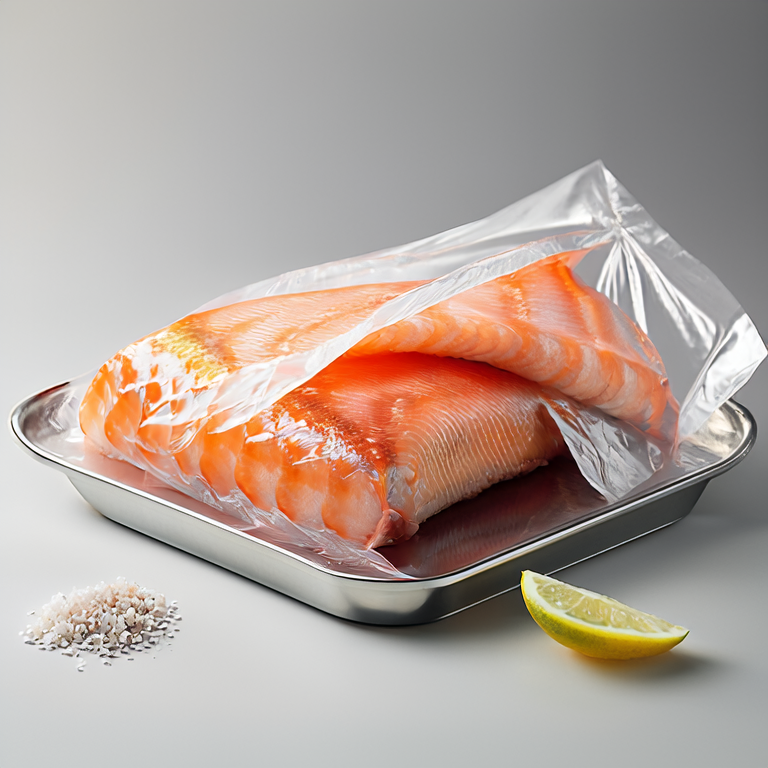
Vacuum Skin Packaging Film has emerged as a game-changer in the seafood industry, offering enhanced freshness, longer shelf life, and improved product presentation. This innovative packaging solution not only maintains the quality of seafood but also caters to the growing demand for sustainable and appealing packaging options. In this article, we will explore various aspects of seafood skin pack film, its benefits, and actionable insights on how to implement it effectively in your seafood business.
Understanding Vacuum Skin Packaging (VSP)
- Definition and Functionality
- Vacuum skin packaging (VSP) involves placing seafood products on a tray and sealing them with a flexible film that tightly conforms to the product.
- This process removes oxygen, thereby extending shelf life and preserving freshness.
- Comparison with Traditional Packaging
- Unlike traditional packaging methods, VSP minimizes air exposure, reducing spoilage and helping retain natural colors and flavors.
- Traditional methods often require ice or refrigeration, increasing logistical costs.
Benefits of Seafood Skin Pack Film
- Enhanced Freshness
- Research shows that vacuum packaging keeps seafood fresher for a longer time compared to standard methods (source: Seafood Health Facts, seafoodhealthfacts.org).
- Improved Shelf Life
- Many seafood products can last up to 3-4 times longer when vacuum packed.
- Visual Appeal
- The tight seal and clarity of the skin pack film provide excellent visibility for consumers, enhancing the product's marketability.
- Sustainability Considerations
- Utilizing recyclable or biodegradable film options can reduce environmental impact and cater to eco-conscious consumers.
Steps to Implement Vacuum Skin Packaging in Your Business
- Assess Your Product Requirements
- Evaluate the types of seafood you plan to package and their specific freshness needs.
- Select the Right Equipment
- Acquire a vacuum skin packaging machine that suits your production scale.
- Invest in high-quality, compatible film for optimal results.
- Train Your Staff
- Ensure employees are knowledgeable about the best practices for packaging and handling seafood to minimize any contamination risks.
- Monitor and Adjust
- Regularly check the products for quality and make necessary adjustments to your processes based on feedback.
Considerations for Selection of Vacuum Skin Packaging Film
- Material Properties
- Choose films with the appropriate barrier properties for oxygen and moisture to suit your seafood type.
- Size and Thickness
- Customize film sizing based on your seafood presentation to ensure maximum sealing efficiency.
- Regulatory Compliance
- Ensure all packaging materials comply with FDA regulations to guarantee food safety (source: FDA, fda.gov).
Future Trends in Seafood Packaging
- Incorporation of Smart Technology
- Integration of sensors in packaging that provide real-time data on freshness and spoilage detection.
- Focus on Eco-Friendly Options
- Increasing demand for biodegradable and recyclable packing films as consumers become more sustainability focused.
Key Innovations in Food Safety and Packaging
- Advanced Sealing Technologies
- Invest in new sealing technologies that improve the integrity and reliability of vacuum seals.
- Research on Protective Atmosphere Packaging
- Explore protective atmosphere packaging (MAP) techniques that can complement VSP for enhanced freshness.
In conclusion, adopting vacuum skin packaging film for your seafood products can significantly improve product shelf life, visual appeal, and overall customer satisfaction. By understanding the benefits, following the implementation steps, and keeping an eye on emerging trends, you can stay ahead in the competitive seafood market. Incorporate this innovative packaging solution to ensure your products are appealing, safe, and fresh.