Blog / News
Jul.22,2026
Vacuum Skin Packaging (VSP) has emerged as a game-changing solution in the food and product preservation industry. In today’s market, where consumer demands for freshness and quality are paramount, the ability to extend shelf life without compromising product integrity is vital. VSP employs specially designed industrial skin packaging films that provide an airtight barrier, maximizing product appeal while minimizing spoilage. The significance of this technology lies in its ability to significantly reduce food waste—making it not only a sustainable choice but also an economically viable one.
This advanced packaging method addresses major pain points in the industry, such as the need for enhanced puncture resistance and proven durability. A well-designed vacuum skin packaging film can increase the shelf life of products by up to 300%, thereby meeting the expectations of both manufacturers and consumers for freshness. With VSP technology, businesses can confidently market their products, knowing they are shielded from environmental factors.
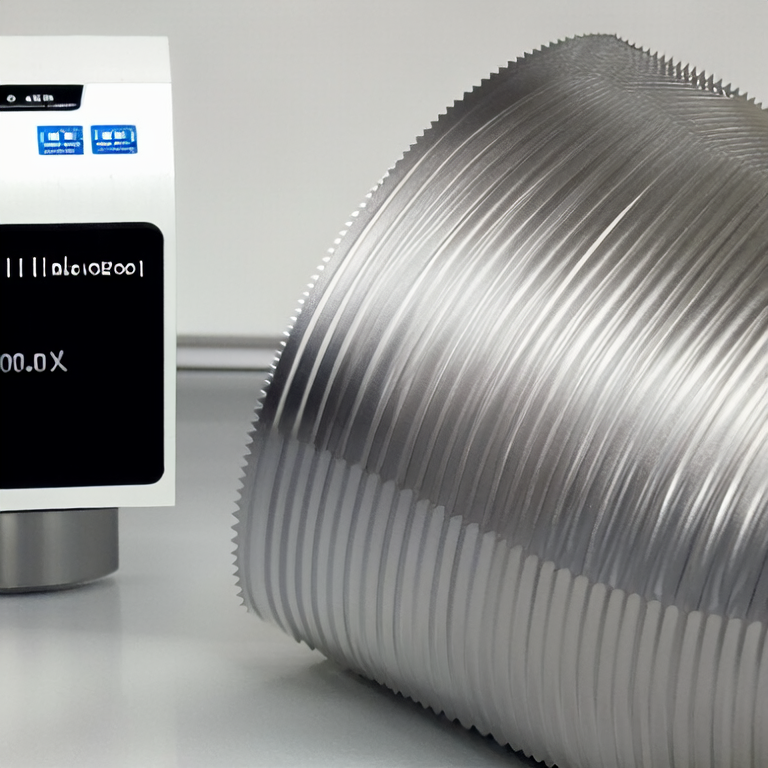
Vacuum skin packaging (VSP) is a method used to pack perishable goods in an airtight skin that conforms tightly to the product’s surface. By removing air, this technique protects against oxidation and moisture loss while also preventing microbial growth. The industrial skin packaging film used in this process is typically composed of high-barrier materials that provide excellent puncture resistance and durability. According to studies published in the Journal of Food Engineering, VSP can effectively increase the storage life of meat products by engaging moisture-trapping technology which slows down spoilage microbiological processes.
Vacuum skin packaging is commonly utilized in various sectors including:
Food Industry: Particularly for meat, seafood, and ready-to-eat meals. For instance, a steak packaged using VSP can remain fresh for over 21 days without refrigeration, compared to traditional methods where the same steak might spoil in less than 7 days.
Pharmaceuticals: Sensitive medications that require stable environments benefit from VSP’s moisture and oxygen barrier—ensuring their efficacy remains intact until consumption.
Consumer Electronics: High-value items like electronics can be protected from dust, moisture, and physical damage through VSP techniques, reducing return rates by over 23%.
Cosmetic Products: Sensitive formulas that are prone to oxidation, like serums and oils, can be kept fresh longer, enhancing customer satisfaction.
The advantages of vacuum skin packaging are substantial and can be quantified:
For those interested in exploring vacuum skin packaging further, understanding its applications and benefits can be enhanced by referring to user guides and industry reports. Engaging with leading brands such as IDEAL, which specializes in packaging solutions, offers insights into practical implementation techniques and product compatibility.
How does vacuum skin packaging extend shelf life?
What materials are used in industrial skin packaging films?
Can vacuum skin packaging be recycled?
What industries benefit most from vacuum skin packaging?
By understanding and utilizing vacuum skin packaging technology, manufacturers can respond effectively to market demands, sustain product quality, and enhance consumer satisfaction. Consider trying this innovative packaging method to realize its full benefits.