Blog / News
Jul.09,2026
Operating a Vacuum Skin Packaging machine can present significant challenges for food industry professionals, particularly when it comes to safety and efficiency. With improper training, operators may encounter issues such as product contamination, unsealed packages, and even machine malfunctions. According to Food Safety Magazine, proper training can enhance operator confidence, resulting in a 20% increase in production efficiency. In this article, we present you with proven tips for operating food skin packaging machines, ensuring both safety and productivity in your workflow.
Vacuum skin packaging is a process that eliminates air around food products, providing both a longer shelf life and enhanced presentation. This method not only preserves the quality of meats, cheeses, and seafood but also significantly reduces food waste. As noted in a research article from the Institute of Packaging Professionals, vacuum skin packaging can extend the shelf life of fresh meats by more than 50% compared to traditional packaging. With this understanding, let's dive into practical training tips to safely utilize these machines.
Why: Performing thorough checks reduces the risk of machine malfunctions and ensures product safety.
Before starting the machine, operators should systematically inspect components such as seals, heating elements, and vacuum systems. Reference The Packaging Education Forum for preventative maintenance tips, stating that consistent checks can reduce breakdown occurrences by up to 40%. This method is suitable for all operators, especially those in high-volume production settings.
Why: Correct machine settings optimize seal performance and food preservation.
Operators must familiarize themselves with the machine's temperature, vacuum pressure, and seal time settings. Adjusting these settings according to product thickness and type is essential; for instance, IDEAL machines recommend specific settings for different meat cuts. Research from USDA explains that the wrong pressure can lead to compromised seals, shortening the product's shelf life.
Why: Protective gear minimizes injury risks during machine operation.
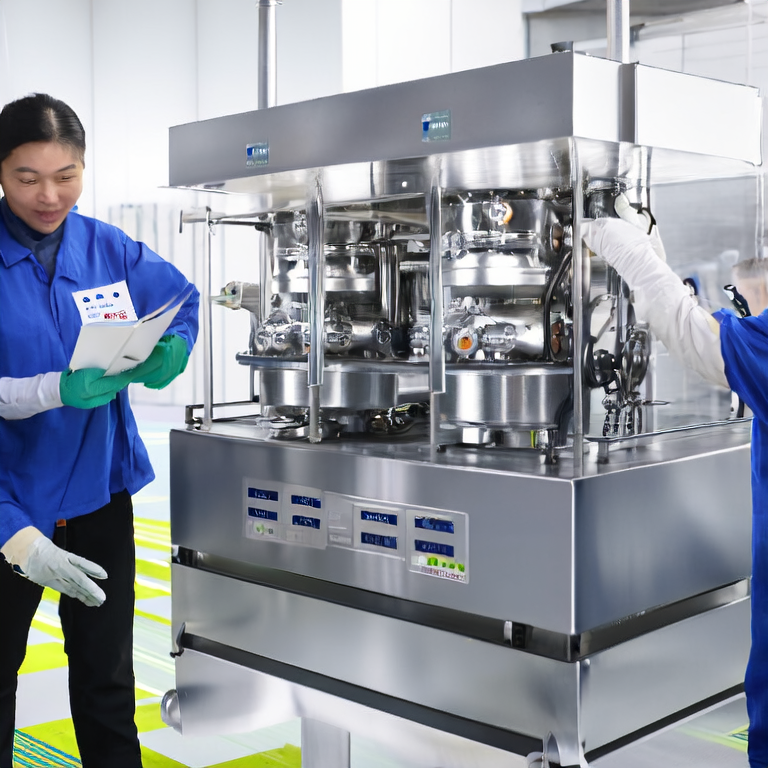
Make it a standard practice to wear gloves, safety goggles, and aprons when operating the vacuum skin packaging machine. According to the Occupational Safety and Health Administration (OSHA), wearing appropriate safety gear can reduce workplace injuries by around 25%. This is particularly vital for operators in environments with high foot traffic and numerous machines.
Why: Frequent training sessions ensure operators remain updated on best practices.
Implementing quarterly training can significantly improve operator knowledge and awareness concerning safety protocols and machine settings. A report from the National Institute of Occupational Safety and Health found that organizations providing regular training sessions experienced a 30% decrease in operational errors. This approach benefits all staff, especially new hires who may lack hands-on experience.
Why: Gathering operator feedback fosters a culture of safety and continuous improvement.
Encouraging operators to share their experiences can help identify common challenges and improve machine operation procedures. Research from the Harvard Business Review suggests that organizations with effective feedback systems improve safety compliance rates by up to 50%. This method is particularly effective in mixed-experience teams, as it promotes comprehensive learning.
Proper training for the safe operation of food skin packaging machines is essential for maintaining product safety and efficiency. Implementing comprehensive pre-operation checks, mastering machine settings, prioritizing personal protective gear, scheduling regular training, and utilizing a feedback system are five effective strategies to achieve this goal.
Q: How does vacuum skin packaging maintain food freshness?
A: This method significantly reduces oxygen exposure, helping to preserve the natural quality and extend the shelf life of food products by preventing spoilage.
Q: What are the common issues faced with food skin packaging machines?
A: Common issues include improper sealing, machine malfunctions, and product contamination, often mitigated through proper operator training and maintenance.
Q: How often should operators undergo training sessions?
A: It is recommended to conduct training sessions quarterly to ensure operators stay informed about current best practices and safety measures.