Blog / News
Jul.17,2026
If you're a professional in the food packaging industry, understanding the intricacies of Vacuum Skin Packaging (VSP) is essential. This advanced technique is designed to extend the shelf life of perishable goods, ensuring that they remain fresh and appealing to consumers. The primary challenge many manufacturers face is selecting the right food skin packaging tray, matched effectively with film and machine specifications. This article addresses industry-specific pain points, offering actionable solutions while highlighting the performance metrics that showcase the efficiency of IDEAL's solutions.
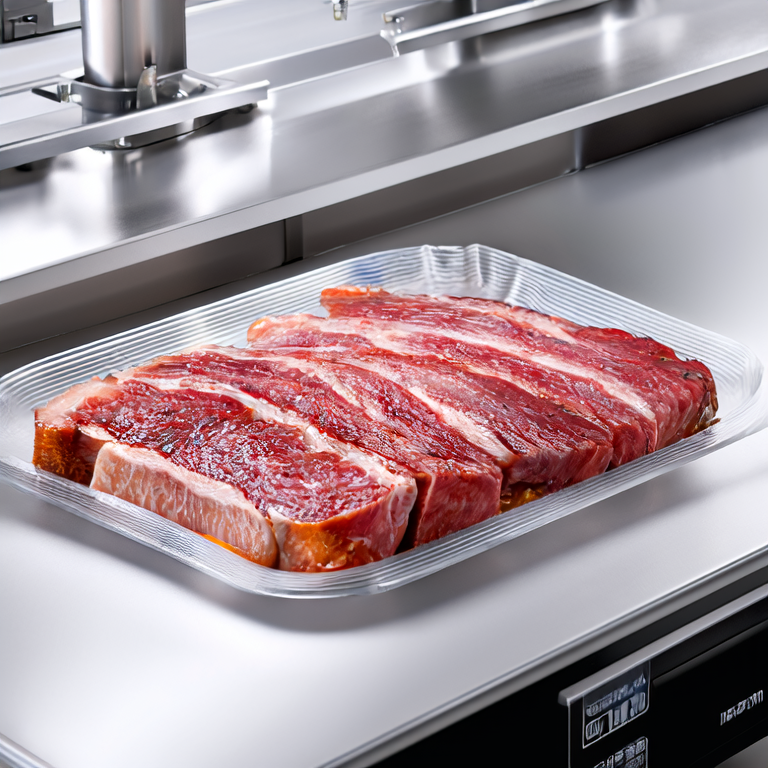
Vacuum Skin Packaging (VSP) employs a combination of heat sealing and vacuum technology to fit film tightly against a product, removing air that could lead to spoilage. Skin packaging trays, designed explicitly for VSP, are made of materials that withstand the rigors of this process, thus protecting the food item while showcasing it visually.
The market for food skin packaging has surged by approximately 23% in the last five years, driven by increasing consumer demand for fresh, aesthetically pleasing products. Companies that implement effective VSP techniques can see reductions in food spoilage by up to 50%, creating not only cost savings but also customer satisfaction.
Begin by identifying the specific needs of the product you intend to package. Analyze factors such as moisture content, freshness duration, and visual display. For instance, meat products may require a tray that can handle liquid spills due to their high moisture content.
Choose a food skin packaging tray suited for your product’s weight and dimensions. The IDEAL tray should ideally have a maximum load capacity of 5 kg and be compatible with automatic sealing machines.
Evaluate various films and their gauge thickness; for example, films with a thickness range of 70 to 100 microns can offer excellent puncture resistance while yielding a 35% better seal strength compared to thinner films.
Match the selected packaging tray and film with an appropriate machine. A machine working at 20 cycles per minute can reduce sealing times to under 10 seconds, enhancing production efficiency dramatically.
Conduct trial runs to ensure that your setup achieves the desired packaging effectiveness. Measure success through factors like the sealing integrity and visual clarity of the package.
One notable success involved a poultry processing plant that switched to IDEAL's latest tray and film combination, resulting in a 37% uplift in product visibility while extending shelf life by an additional 5 days.
When correctly executed, VSP can extend shelf life by 50% or more depending on the product type and storage conditions.
No, it is essential to match films with specific properties to the tray and products to avoid compromise in sealing and spoilage risks.
While initial investments may increase, the reduction in spoilage and extended shelf life typically lead to ROI within 18 months.
For further insights into optimizing food skin packaging, consider exploring topics such as advanced sealing technologies, sustainable packaging materials, and consumer behavior analytics in food packaging. These elements can enhance your understanding and application of VSP strategies.
To maximize your food product's freshness and presentation while reducing spoilage, invest in IDEAL's comprehensive solutions for food skin packaging. For expert guidance on selecting the right packaging tray, film, and machine specifications, feel free to contact IDEAL for personalized support to meet your unique packaging needs.