When it comes to preserving the freshness and extending the shelf life of food items, Vacuum Skin Packaging products have become an integral solution in the food industry. These innovative packaging techniques not only enhance product presentation but also significantly reduce spoilage. Whether you're a manufacturer or a retailer, understanding the key factors to compare before purchasing vacuum skin packaging products is vital for ensuring optimal performance and cost-effectiveness. In this article, we will explore these factors and give you actionable insights to enhance your packaging strategy.
1. Understand the Types of Vacuum Skin Packaging
- Types of Films: Evaluate the properties of different films such as polyethylene, polypropylene, and multilayer films. Each type has varying barrier properties affecting moisture, oxygen, and light transmission.
- Sealing Methods: Compare heat sealing against cold sealing options, considering the benefits of each in your specific application.
- Sizes and Formats: Assess the available sizes and formats to ensure you choose products that fit your operational needs and product dimensions.
2. Assess Compatibility with Your Products
- Product Composition: Analyze your product’s chemical composition and its interaction with different packaging materials. Resources such as the USDA Food Safety and Inspection Service can provide insights.
- Temperature Sensitivity: Test the thermal tolerance of the vacuum skin packaging to ensure it can withstand the cooking or freezing processes relevant to your products.
3. Evaluate Barrier Properties
- Oxygen and Moisture Barriers: Research and compare the oxygen and moisture barrier properties crucial for maintaining product freshness. Refer to industry white papers on packaging barriers for reliable data.
- Shelf Life Extension: Look for economic studies or reports indicating the effective shelf life extension provided by different vacuum skin packaging materials.
4. Cost-Effectiveness of Materials
- Material Prices: Conduct a market analysis to compare the costs of different vacuum skin packaging materials based on your budget constraints.
- Production Efficiency: Evaluate how the choice of packaging affects production time and labor costs, particularly for high-volume products.
5. Sustainability Considerations
- Recyclability: Research the recyclability of the packaging materials to align with environmentally friendly practices, which are increasingly important in consumer purchasing decisions.
- Waste Reduction: Explore how effective vacuum skin packaging can lead to less food waste, an essential factor for both economic and ethical reasons.
6. Industry Compliance and Standards
- Food Safety Standards: Ensure that the vacuum skin packaging products meet relevant food safety standards, as outlined by organizations like the FDA or the European Food Safety Authority.
- Certifications: Check for certifications related to sustainability, safety, and efficacy from reputable sources. Certifications can serve as a guarantee of quality.
7. Vendor Reliability and Support
- Reputation: Investigate the track record of vendors through reviews, case studies, and testimonials relevant to your industry.
- Customer Service: Ensure the vendor provides adequate after-sales support, including troubleshooting and guidance on packaging optimization.
Conclusion
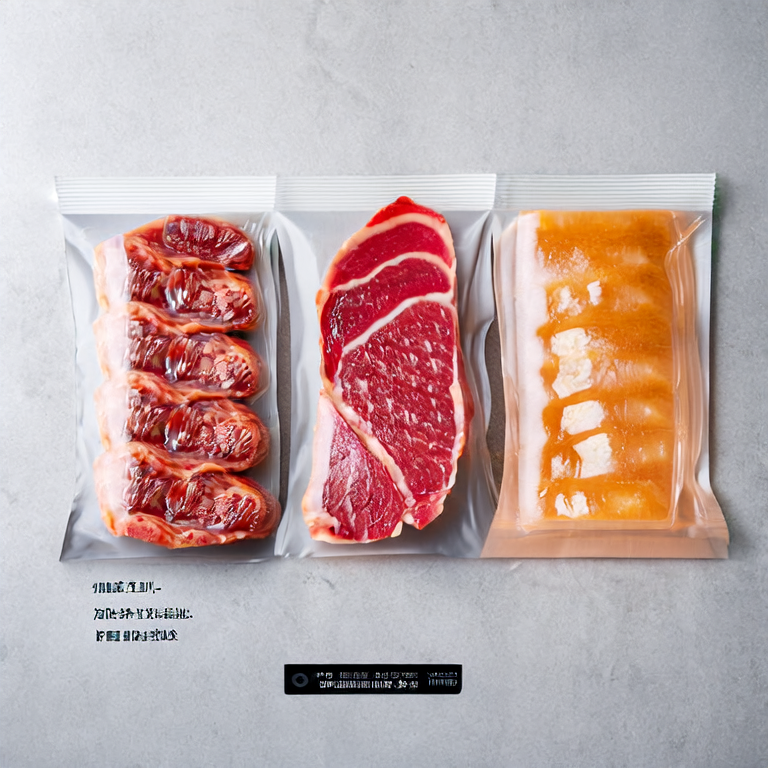
By understanding these key factors, you can select the right vacuum skin packaging products tailored to your needs, ensuring maximum effectiveness and efficiency. For visual reference, consider the image below that illustrates various vacuum skin packaging options:
Incorporating Emerging Technologies
As technology advances, keep an eye on emerging packaging innovations such as smart packaging that can indicate freshness levels or modified atmosphere packaging solutions that work in tandem with vacuum skin packaging.