Blog / News
Jun.30,2026
For manufacturers and consumers alike, the quality of Vacuum Skin Packaging directly aligns with vacuum pump performance. Users often encounter issues like compromised seal integrity and reduced shelf life due to inadequate vacuum conditions. A common scenario involves fresh meats or vegetables packaged without optimal vacuum; this can lead to spoilage within just five days instead of the intended two weeks. Therefore, issues such as seal failures or oxygen retention highlight the necessity of reliable vacuum pumps for maintaining product quality and extending shelf life.
Before diving into the vacuum packaging process, it's essential to gather specific materials and tools:
Follow these steps for effective vacuum skin packaging:
Ensure the IDEAL vacuum pump is properly calibrated. Consistent maintenance can boost performance by up to 25%. Check the oil levels and replace filters if necessary.
Choose a vacuum skin film that boasts a barrier property with an oxygen transmission rate of ≤ 5 cc/m²/day to prevent spoilage.
Carefully place the product within the packaging film, ensuring no excess air pockets remain. This avoids seal integrity issues.
Position the loaded film on the IDEAL machine and initiate the vacuum cycle. Typically, an optimal vacuum cycle operates for 8 to 15 seconds to ensure complete air removal.
Once the vacuum cycle completes, activate the sealing function. A pressure of around 5 bar should be maintained during sealing for robust results.
Ensure seals are tight. An effective seal will have a tensile strength of at least 5 Newtons; otherwise, repackage.
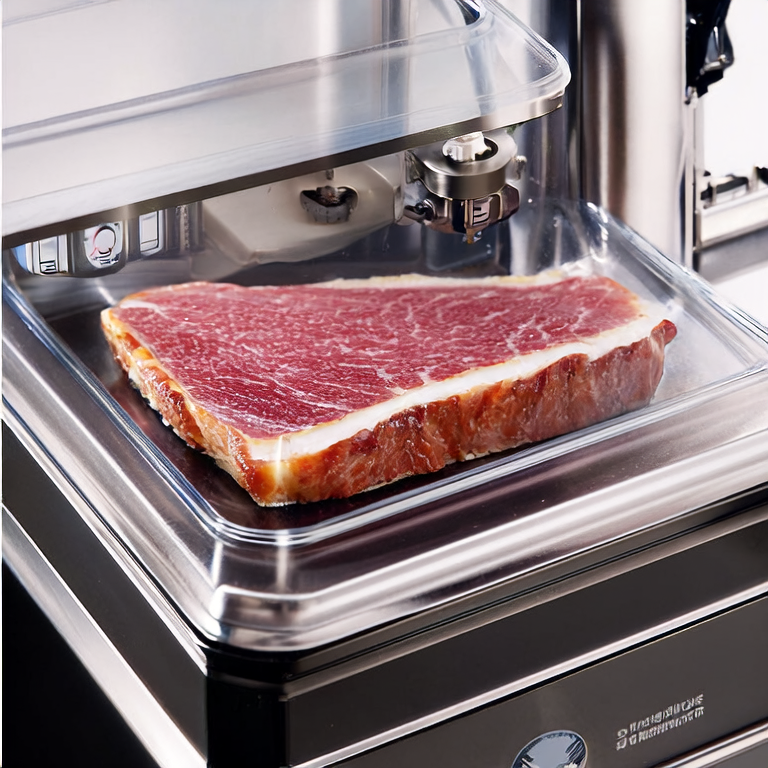
Even with the best vacuum pumps and techniques, mistakes can arise:
To ensure the efficiency of vacuum skin packaging and maximize product shelf life, users must focus on the performance of vacuum pumps, such as those provided by IDEAL. By following the steps outlined above and addressing common errors proactively, manufacturers can maintain higher quality standards. It's also advisable to keep abreast of advancements in vacuum packaging technologies to improve efficiency further.
Q1: How does vacuum pump performance directly affect seal quality?
A1: A high-performance vacuum pump minimizes air within the package, significantly enhancing seal quality by reducing the risk of microbial growth and spoilage.
Q2: What is the ideal vacuum level for packaging perishable goods?
A2: An optimal vacuum level should reach a minimum of 99.9% air removal to ensure that shelf life is maximized effectively.
Q3: How can I ensure the longevity of my vacuum pump?
A3: Regular maintenance, including oil changes and filter replacements, is essential. Daily checks can prevent performance dips, ensuring a reliable operational lifespan.