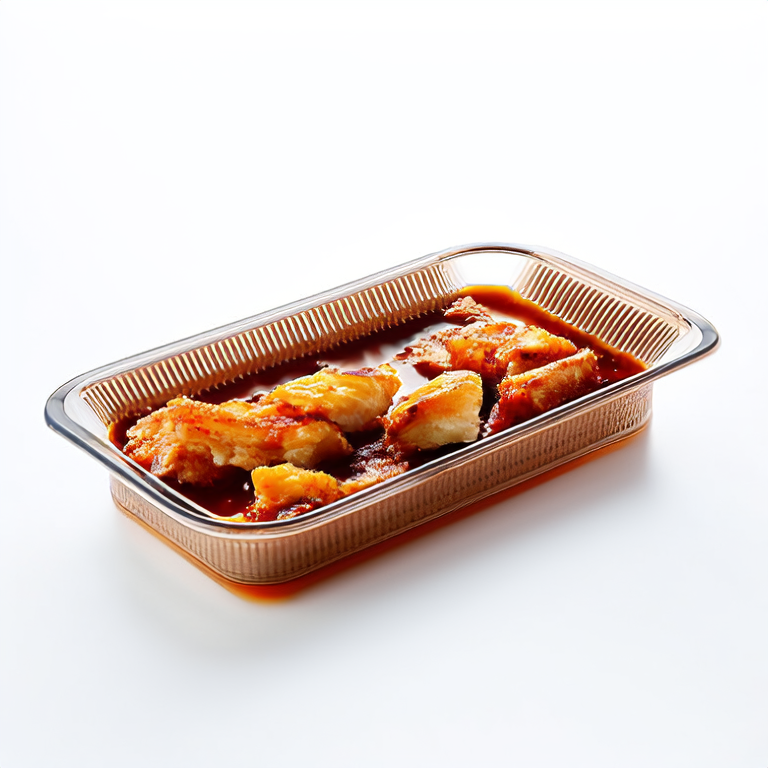
In the world of food packaging, utilizing an effective food skin packaging tray is essential for maintaining product integrity. This article will explore how the design of trays can significantly minimize issues such as leaks and product movement. At IDEAL, we specialize in crafting high-quality food packaging solutions to meet these needs.
Understanding the Importance of Tray Design
1. Defining the Key Elements of Tray Design
The first step in understanding how tray design helps prevent leaks and product movement is to define its key elements, including:
- Material selection
- Tray shape and size
- Surface texture
- Sealing mechanisms
2. The Role of Material in Preventing Leaks
Using appropriate materials for your food skin packaging tray is crucial in preventing leaks:
- Choose high-barrier, moisture-resistant materials.
- Ensure that the material can withstand temperature fluctuations.
3. Optimizing Tray Shape and Size for Stability
The shape and size of the tray directly influence product movement:
Follow these steps to optimize:
- Select tray shapes that promote stability, such as rigid or contoured designs.
- Ensure the tray dimensions match the product size to reduce free movement.
4. Importance of Surface Texture in Leak Prevention
Surface texture can impact how well the packaging retains moisture:
- Utilize non-slip textures to keep products in place.
- Consider surfaces that resist moisture accumulation.
5. Effective Sealing Mechanisms
Sealing is a critical component in preventing leaks:
- Choose seals that are appropriate for the product type and packaging process.
- Regularly test seals for integrity to avoid possible leaks.
Implementing Effective Tray Solutions
6. Steps to Design the Perfect Tray
Here is a step-by-step guide to find the right design and materials for your food skin packaging tray:
- Assess the product’s requirements (size, shape, and moisture sensitivity).
- Choose the right material based on barrier properties and processing conditions.
- Design the tray dimensions to closely fit the product, minimizing movement.
- Incorporate textured surfaces to enhance stability and prevent slippage.
- Implement effective sealing technologies that suit your production line.
7. Tools Required for Tray Production
The following tools can ensure a successful tray design and production process:
- Thermoforming machines
- Material testing equipment
- Sealing machines
- Design software for layout planning
8. Common Mistakes to Avoid in Tray Design
Avoid the following pitfalls when designing your food skin packaging tray:
- Choosing inappropriate materials that do not provide sufficient barriers.
- Over or under-sizing trays for products, leading to movement or damage.
- Neglecting testing for seal integrity and material durability.
In conclusion, a well-designed food skin packaging tray is instrumental in mitigating leaks, reducing product movement, and ensuring the integrity of food items. At IDEAL, we are committed to providing innovative solutions tailored to these challenges. By following the guidelines in this article, you can effectively improve your tray design and enhance product safety.