Blog / News
Jun.19,2026
In the food industry, ensuring food safety through appropriate packaging is vital—especially for fresh products. Vacuum Skin Packaging (VSP) film offers a pioneering solution that significantly reduces spoilage rates, often recorded at up to 50%, when compared to conventional methods. This article is designed for food manufacturers, distributors, and retailers focused on leveraging VSP film for maintaining product freshness and extending shelf life. It will address common pitfalls in food safety compliance, the selection of suitable VSP films, and their impact on overall product quality.
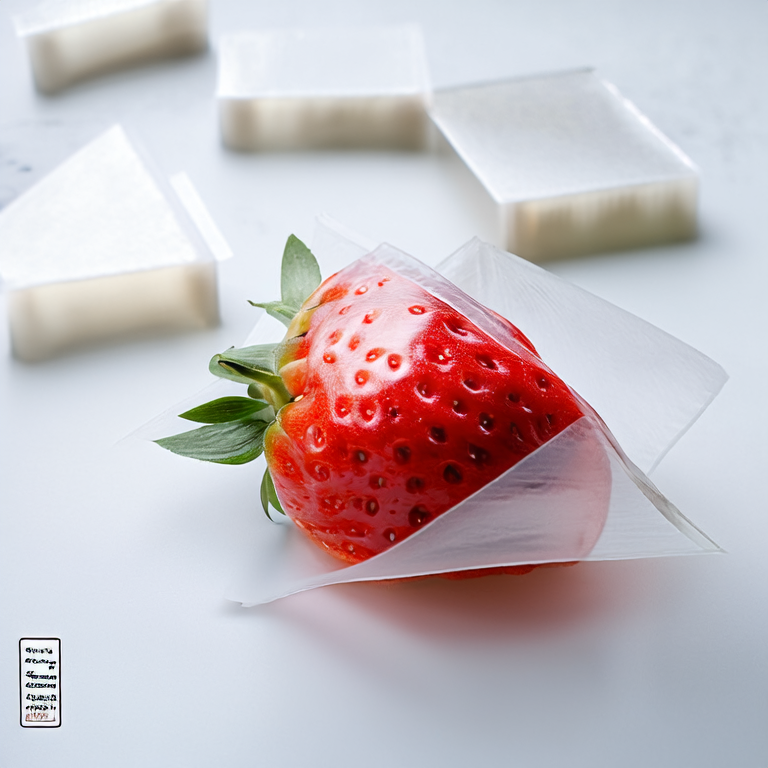
To grasp the significance of VSP films, it's essential to know some basic terminology. The term "VSP film" refers to a specialized packaging that tightly encases fresh products, removing air to enhance preservation. This method is particularly beneficial for proteins like meat and seafood, where microbial growth poses a significant risk. The science behind VSP film involves the principles of gas barrier properties and moisture retention—achieved through materials with high oxygen barrier ratings of 10 cc/m²/24 hours at 0% humidity. Enhanced moisture retention can reduce weight loss in proteins by 28% during storage.
Consider a leading meat producer that adopted IDEAL's VSP film. Initially, this producer faced significant spoilage rates of up to 20%. After implementing IDEAL’s high-barrier VSP films, they observed a substantial reduction in spoilage by 30% within merely three months of use. The combination of enhanced barrier properties and compliance with health regulations ensured a safer product with extended shelf life.
Q1: What types of fresh products benefit most from VSP film?
A1: VSP films are particularly effective for high-value products like seafood and premium meats, where maintaining quality is imperative.
Q2: How do I know if my VSP film is compliant with food safety regulations?
A2: Verify compliance through documentation from the film manufacturer, particularly focusing on FDA and USDA requirements for food contact materials.
Q3: What is the typical shelf life improvement expected with VSP films?
A3: Shelf life can increase by anywhere from 30% to 200% depending on the product and storage conditions.
For advanced users, consider implementing a sophisticated testing protocol that evaluates the chemical interactions between your VSP film and the product. Monitoring changes in pH levels or microbial counts can help refine your packaging strategy for even better outcomes, ensuring food safety and quality are consistently met.
Choosing the right VSP film is crucial for enhancing the food safety of fresh products. Brands like IDEAL provide a range of highly effective films, meeting stringent safety regulations while offering improved shelf life. For inquiries, product samples, or more information, consider contacting IDEAL directly to find a solution tailored to your food safety needs.